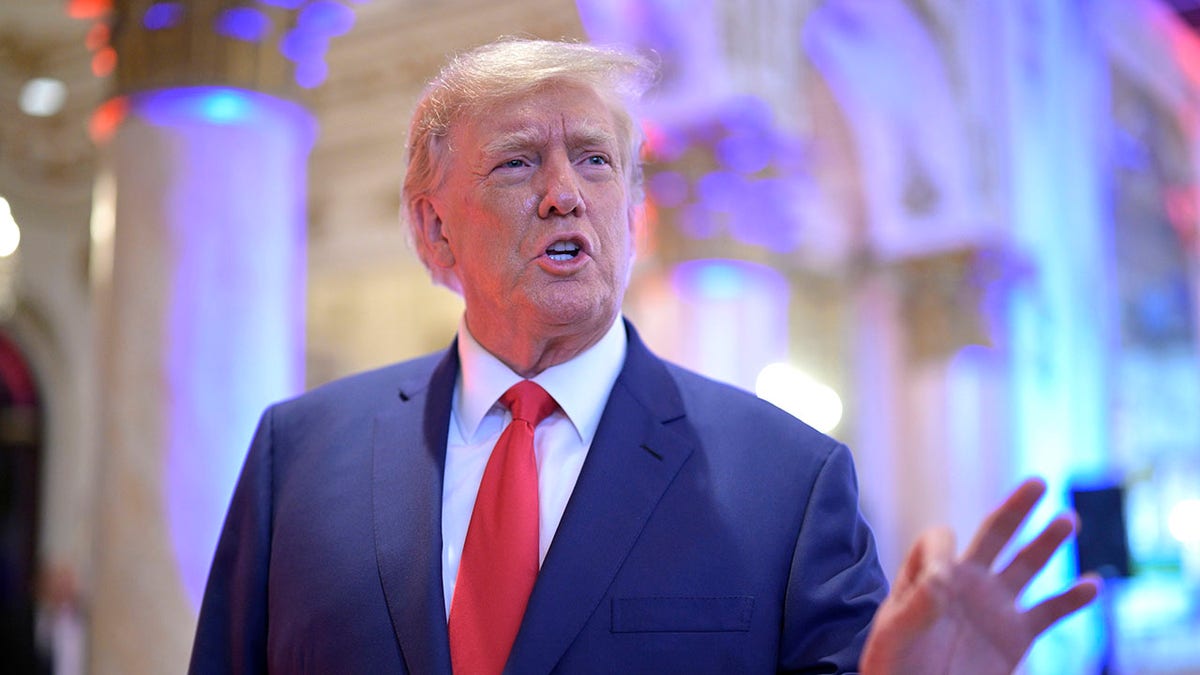
Donald Trump has once again thrust himself into the center of a media firestorm—this time targeting a 60 Minutes anchor for reading excerpts from the alleged gunman’s manifesto during a broadcast. The confrontation underscores deeper tensions between political figures, journalistic practices, and the handling of extremist content in mainstream media.
The incident unfolded during a segment focused on a recent act of politically charged violence. As the anchor read select passages from the document attributed to the suspect, Trump erupted, accusing the network of amplifying dangerous ideologies under the guise of reporting. What followed wasn’t just a rebuke—it was a full-throated assault on the network’s judgment and motives.
This reaction isn’t isolated. It reflects a long-standing pattern in how high-profile political figures respond when media coverage intersects with violent extremism—especially when rhetoric they’ve used in the past is echoed in such documents.
The Moment That Sparked the Outrage
During the 60 Minutes segment, the anchor introduced the manifesto as part of an effort to understand the shooter’s motivations. The reading was brief—less than two minutes—but included direct references to conspiracy theories and anti-establishment rhetoric that some viewers linked to past Trump messaging.
Trump’s team quickly seized on the decision to air the text. In a series of social media posts and a statement from his campaign, he condemned the broadcast as “a platform for a terrorist’s lies” and accused CBS of “glorifying violence and spreading hate.” He singled out the anchor by name, calling the on-air reading “reckless and irresponsible.”
“They gave him exactly what he wanted—the spotlight. And they did it while pretending to be journalists,” Trump said in a rally speech days later.
The network defended its decision, stating that quoting from the manifesto was necessary to analyze the threat and warn the public. “Our role is not to sanitize danger,” a CBS spokesperson said. “It’s to confront it with facts.”
But Trump’s argument tapped into a growing unease: When does reporting on extremist ideology cross the line into amplification?
Why Manifestos Are a Minefield for News Outlets
Manifestos tied to mass violence pose a unique challenge for journalists. On one hand, ignoring them means potentially missing critical clues about rising threats. On the other, quoting them—especially verbatim—risks spreading propaganda and inspiring copycats.
The 60 Minutes segment didn’t just report on the document; it performed it. That distinction matters.
Consider the 2019 Christchurch mosque shooter, whose manifesto was widely circulated after the attack. Social media platforms and news outlets faced backlash for inadvertently boosting his message. In response, many adopted policies limiting direct quotes or embedding warnings before such content.
Yet, 60 Minutes chose a different path. The anchor read passages with a somber tone, framing them as evidence of radicalization. But without deeper context—like disclaimers, expert analysis, or visual cues to distance the network from the content—the delivery blurred the line between reporting and repetition.
This isn’t the first time Trump has criticized media for quoting extremists. In 2017, he attacked CNN for airing a video from an ISIS sympathizer. But this case is different: the alleged gunman’s writings contained themes that critics say echo Trump’s own rhetoric—immigration fear, media distrust, and claims of electoral fraud.
That overlap made the broadcast feel, to Trump and his supporters, like an indirect indictment.
The Role of Rhetoric in Violent Extremism
No evidence ties Trump directly to the gunman’s actions. But analysts point to troubling parallels.

The manifesto referenced “the silent majority being erased,” “fake news destroying America,” and “illegals taking our jobs”—phrases that mirror Trump’s rallies and speeches. While common in certain political circles, their recurrence in violent manifestos raises ethical questions.
Political scientists call this the “rhetorical ecosystem.” It’s not about direct incitement, but about how repeated messaging creates an environment where violence feels justified to unstable individuals.
“Language normalizes ideas,” says Dr. Lena Peterson, a researcher in political communication at Georgetown. “When leaders use dehumanizing terms over years, it doesn’t cause violence directly—but it lowers the barrier for those already on the edge.”
Trump’s response—attacking the messenger rather than examining the message—fits a familiar playbook. By focusing on the anchor’s decision to read the text, he shifts attention from uncomfortable parallels to media misconduct.
It’s a strategic deflection. But it also highlights a real dilemma: How should journalists report on extremism when the rhetoric overlaps with mainstream political discourse?
Media Responsibility vs. Free Press Rights
The 60 Minutes controversy reignited debate over journalistic ethics in the digital age.
Supporters of the broadcast argue that suppressing such content is dangerous. “We can’t understand the threat if we pretend it doesn’t exist,” said veteran journalist Maria Lopez. “The public has a right to know what extremists believe—and why.”
But critics warn that verbatim readings, especially on influential platforms, can serve as recruitment tools. A 2021 study by the Combating Terrorism Center at West Point found that manifestos gain up to 600% more attention when quoted in major news outlets.
Some networks now use alternative approaches: - Summarizing key themes without direct quotes - Using on-screen text with disclaimers - Pairing excerpts with expert condemnation - Delaying publication to avoid immediate virality
60 Minutes used none of these safeguards during the segment. The anchor read the words straight, with minimal interruption.
This choice may have violated an unwritten rule in modern crisis reporting: don’t give terrorists the stage, even in critique.
Trump seized on that failure. But his criticism lacked nuance. He didn’t call for better standards—he demanded censorship. “They shouldn’t be allowed to read that filth on national TV,” he said.
That stance risks undermining press freedom while avoiding accountability for how political rhetoric fuels extremism.
Past Precedents: When Politicians Clash
with Media Over Violence
Trump isn’t the first leader to clash with journalists over coverage of violence.
- After the 2011 Norway attacks, then-Prime Minister Jens Stoltenberg urged media to avoid quoting Anders Breivik’s manifesto. Most Norwegian outlets complied, focusing instead on victims and national unity.
- In 2015, following the Charleston church shooting, Dylann Roof’s manifesto was largely withheld by major U.S. networks. The New York Times published excerpts online but with extensive context and warnings.
- During the Unabomber era, media outlets initially refused to publish Ted Kaczynski’s manifesto—until the Washington Post and New York Times agreed under FBI guidance, hoping it would help identify him.
Each case involved trade-offs. Suppressing content can hinder public understanding. But amplifying it can inspire imitation.
The 60 Minutes decision didn’t follow any of these models. It aired the manifesto not as an investigative tool or a cautionary document—but as a narrative device to dramatize the shooter’s mindset.
That approach may have satisfied editorial curiosity, but it ignored the risks of normalization.
What Should Journalists Do Differently?
Reporting on extremism requires balance. Here’s what responsible coverage could look like:
- Context First
- Always frame extremist content with expert analysis. Explain where the ideas come from, how they spread, and why they’re dangerous.
- Limit Direct Quotes
- Use paraphrasing when possible. If quoting is necessary, keep it minimal and pair it with condemnation from authorities or researchers.
- Avoid Sensationalism
- Don’t use dramatic music, slow zooms, or theatrical delivery when presenting manifestos. These techniques elevate the perpetrator.
- Prioritize Victims
- Center stories on survivors and communities affected—not the shooter’s ideology.
- Publish Delayed Analysis
- Wait 48–72 hours before releasing manifesto details. This reduces immediate notoriety while allowing for informed reporting.
- Collaborate with Experts
- Work with psychologists, counter-extremism specialists, and law enforcement to assess risks before airing content.
60 Minutes missed most of these marks. The segment focused heavily on the shooter’s worldview, with only brief mentions of victims. The anchor’s tone, though serious, lacked the distancing language needed to prevent unintended endorsement.
Trump’s outrage may have been politically motivated, but it spotlighted a real failure in editorial judgment.
The Bigger Picture: Rhetoric, Media, and Accountability
This moment isn’t just about one broadcast or one politician’s reaction. It’s about a cycle that keeps repeating: violent actors emerge from ideological echo chambers, media reports on their words, politicians deflect blame, and the public is left parsing truth from manipulation.
Trump’s attack on the anchor was predictable. But it also reveals a deeper issue: the unwillingness of powerful figures to acknowledge how their rhetoric contributes to a climate where extremism thrives.
At the same time, media outlets must confront their role. Giving airtime to a manifesto—even to condemn it—risks turning hate into headlines.
The solution isn’t censorship. It’s responsibility.
Journalists should report fearlessly but thoughtfully. Politicians should lead with accountability, not deflection. And the public deserves coverage that informs without inflaming.
Moving Forward: A Call for Ethical Clarity
The 60 Minutes incident should serve as a turning point.
News organizations need clear, public guidelines for handling extremist content. That includes red lines on quoting manifestos, protocols for consulting experts, and transparency about editorial decisions.
Politicians, meanwhile, must stop using media coverage as a scapegoat. Condemning networks feels powerful—but it avoids the harder work of examining how language shapes reality.
For audiences, the takeaway is vigilance. When watching such segments, ask: - Who benefits from this content being shared? - Is the network distancing itself from the message? - Are victims centered, or is the focus on the perpetrator?
Media shapes perception. In an age of polarization, that power comes with profound responsibility.
Trump’s lashing out may have been theatrical, but the questions behind it are real. And they demand more than outrage—they demand better standards from all sides.
FAQ
Why did Trump criticize the 60 Minutes anchor specifically? Trump accused the anchor of giving a platform to a violent extremist by reading the manifesto on air, calling it irresponsible and dangerous.
Did 60 Minutes fact-check the manifesto before airing it? The network treated the document as part of the investigation, but did not confirm its authenticity on air during the segment.
Are there ethical guidelines for reporting on manifestos? Yes—many news organizations follow protocols to avoid amplifying extremist messages, including limiting quotes and adding context.
Has Trump been linked to the gunman’s ideology? No direct link has been proven, but analysts note rhetorical similarities between the manifesto and Trump’s past statements.
What is the “rhetorical ecosystem” in media? It refers to how repeated political messaging can normalize extreme ideas, potentially influencing vulnerable individuals.
How can media cover extremism without spreading it? By focusing on analysis over repetition, centering victims, and avoiding sensational presentation of perpetrator content.
What happened to the gunman? The suspect was apprehended at the scene and is awaiting trial. Court proceedings are ongoing.
FAQ
What should you look for in Trump Slams 60 Minutes Anchor Over Gunman Manifesto Reading? Focus on relevance, practical value, and how well the solution matches real user intent.
Is Trump Slams 60 Minutes Anchor Over Gunman Manifesto Reading suitable for beginners? That depends on the workflow, but a clear step-by-step approach usually makes it easier to start.
How do you compare options around Trump Slams 60 Minutes Anchor Over Gunman Manifesto Reading? Compare features, trust signals, limitations, pricing, and ease of implementation.
What mistakes should you avoid? Avoid generic choices, weak validation, and decisions based only on marketing claims.
What is the next best step? Shortlist the most relevant options, validate them quickly, and refine from real-world results.